


Cultural Identity Management: Adaptation and Negotiation of Jaranan Thik in Ponoragan Society

Oki Cahyo Nugroho, Widodo Muktiyo, Sri Hastjarjo, Drajat Tri Kartono
Universitas Sebelas Maret, Universitas Muhammadiyah Ponorogo
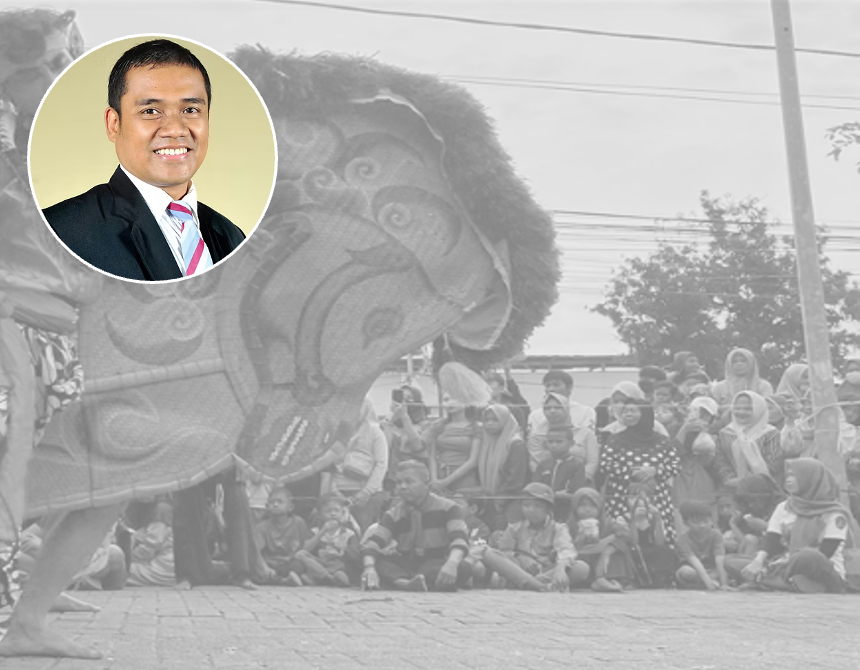
This study examines the processes of cultural identity negotiation and communicative adaptation of Jaranan Thik within the Reyog dominated cultural hierarchy of Ponorogo, East Java, Indonesia. Drawing upon Cultural Identity Theory and Co-Cultural Communication Theory, the research explores how marginalized traditional art communities strategically manage identity through symbolic alignment, structural modification, and institutional engagement. Using a qualitative case study approach, data were collected through in-depth interviews with key performers, cultural leaders, and community figures, supported by documentation and performance observation. The findings reveal four major patterns: symbolic assimilation through the adoption of shared mythological narratives and terminology; controlled moderation of trance practices to recalibrate public perception; religious and institutional affiliation to enhance moral and structural legitimacy; and aesthetic modernization to engage younger audiences. These strategies demonstrate that Jaranan Thik does not dissolve into dominant Reyog culture but negotiates legitimacy through selective alignment while preserving core ritual identity. The study extends the application of Cultural Identity Theory and Co-Cultural Communication Theory to localized cultural hierarchies and traditional performing arts, highlighting communicative agency as central to cultural sustainability.


Comments